MCX gold weakens after rally to two-week high; silver also slips: Reasons explained

Gold and silver prices decline on profit booking, interest rate outlook, and geopolitical uncertainty. Investors eye Fed meeting.

Gold and silver prices decline on profit booking, interest rate outlook, and geopolitical uncertainty. Investors eye Fed meeting.
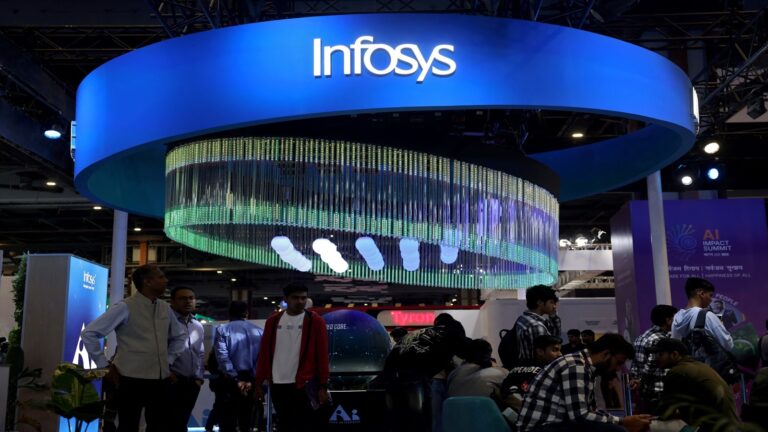
Infosys’ growth during the quarter is likely to be driven by a healthy two-month contribution from its recent acquisitions, Optimum and Stratus.

CLSA has downgraded shares of IndusInd Bank after Q1 results but raised its price target. On the other hand, Jefferies also remains bullish and also raised its price target on the stock.

Indian rupee gains 8 paise against US dollar despite rising crude oil prices and West Asia tensions. RBI intervention limits depreciation.

Jefferies retained its “Buy” rating with a price target of ₹415, implying an upside of around 43%. JPMorgan maintained its “Overweight” rating with a target price of ₹390, implying an upside of about 35%.

Shares of Oracle Financial Services were among the worst performers on the Nifty 500 on Wednesday, ending 7.5% lower at ₹10,777. Despite the fall, the stock is still up 40% so far in 2026 and is the only Nifty IT…

Asian shares rose on AI spending bets, led by South Korean chipmakers. Oil prices surged on West Asia conflict, impacting US Treasuries. Yen remained weak.

Q1 Results LIVE Updates: Three more Nifty 50 stocks, Infosys, IndiGo, Cipla, are reporting their June quarter results today. IEX, Allied Blenders, Chennai Petro, Capital Small Finance Bank, Go Digit General Insurance, Cyient, Mahindra Life, Motilal Oswal, Mphasis, PVR INOX,…

Godrej Capital acquires Kanakadurga Finance’s gold loan portfolio, entering secured retail lending with ₹280 crore AUM and 12,000 customers.

Gold prices dip as investors eye West Asia tensions, US Fed meeting. Profit booking, strong dollar, and rising oil prices weigh on bullion.